


Forte dei Marmi: Beach, Tuscan Charm & Dolce Vita in Italy
Lorem ipsum dolor sit amet, consectetur adipiscing elit. Integer nec odio. Praesent libero. Sed cursus ante dapibus diam. Sed nisi. Nulla quis sem at nibh elementum imperdiet.
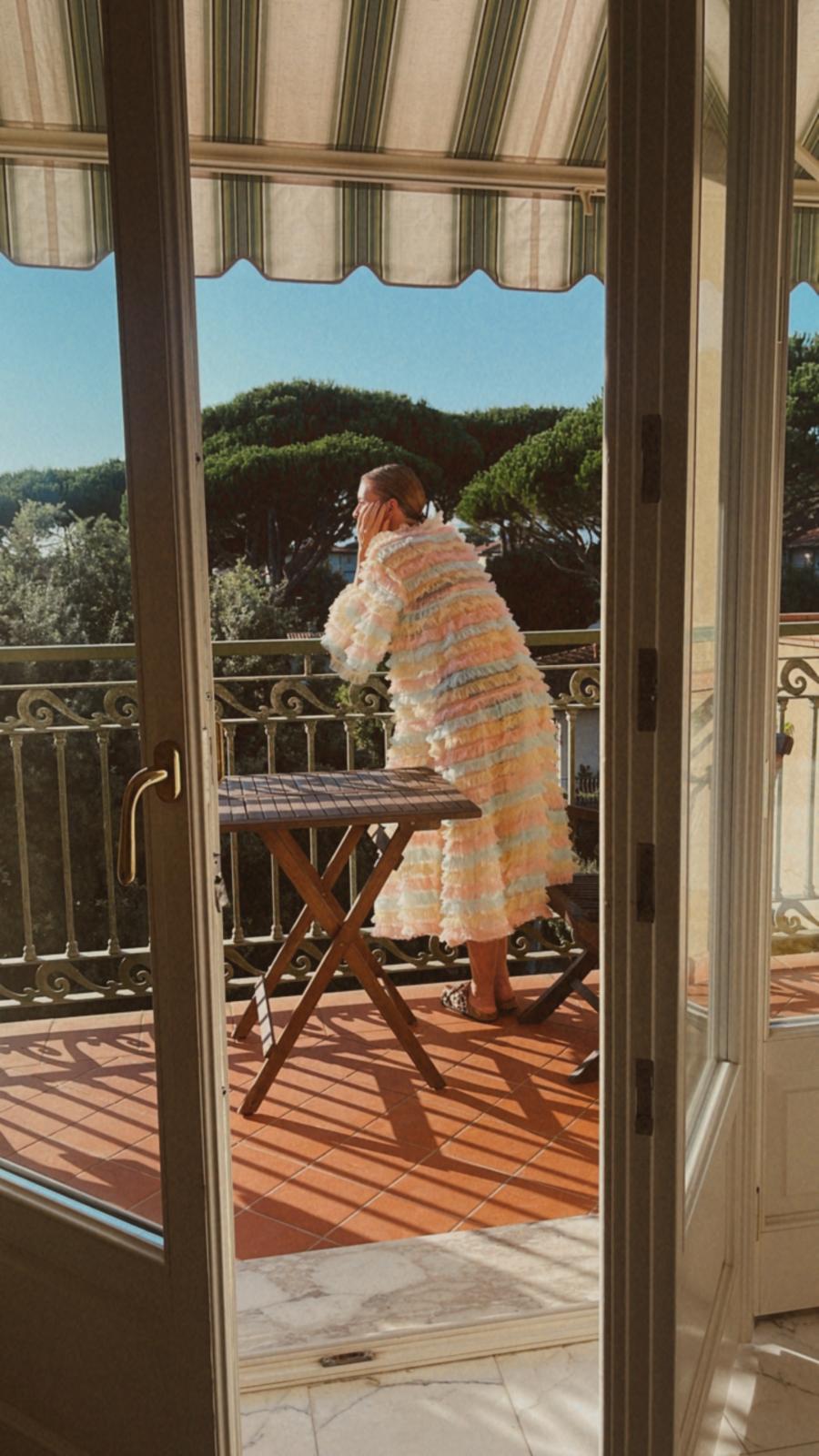
This year marks the sixth summer in a row we've booked Forte dei Marmi, and the fifth time we've walked back into Hotel President like it's ours.
Lorem ipsum dolor sit amet, consectetur adipiscing elit. Integer nec odio. Praesent libero. Sed cursus ante dapibus diam. Sed nisi. Nulla quis sem at nibh elementum imperdiet.
Category
Going places
Date
27/07/2026
Length
6 min read
Share
This year marks the sixth summer in a row we've booked Forte dei Marmi, and the fifth time we've walked back into Hotel President like it's ours.
People ask why we keep returning to the same town instead of chasing something new. But if you know Forte, you already know the answer: this place has a certain magic that doesn't wear off, it just gets more familiar, like an old friend you look forward to seeing every year.
Nestled at the foothills of the Apuan Alps, right on the sea, Forte dei Marmi gives you both views at once, mountains on one side, Tyrrhenian Sea on the other, and it puts all of Tuscany's treasures within easy reach. In the early years, we alternated beach days with sightseeing days, and by now we've seen most of the villages and cities in the region, Florence, Lucca and Siena remain our favourites. These days, especially with nearly 40-degree heat and a dog and a teenager in tow, we're far more likely to stay put. A tourist morning in Lucca, maybe. The rest of our two weeks is spent doing very little, and very well: sun, sea, a book I never quite finish, and Socks snoozing in the shade under the beach umbrella.
If you're in the phase of life where "doing less, better" has started to sound like the whole point of a holiday, Forte dei Marmi is going to make a lot of sense to you.
Lorum ipsum
Lorem ipsum dolor sit amet, consectetur adipiscing elit. Integer nec odio. Praesent libero. Sed cursus ante dapibus diam. Sed nisi. Nulla quis sem at nibh elementum imperdiet.
Why Forte Has a Certain Magic
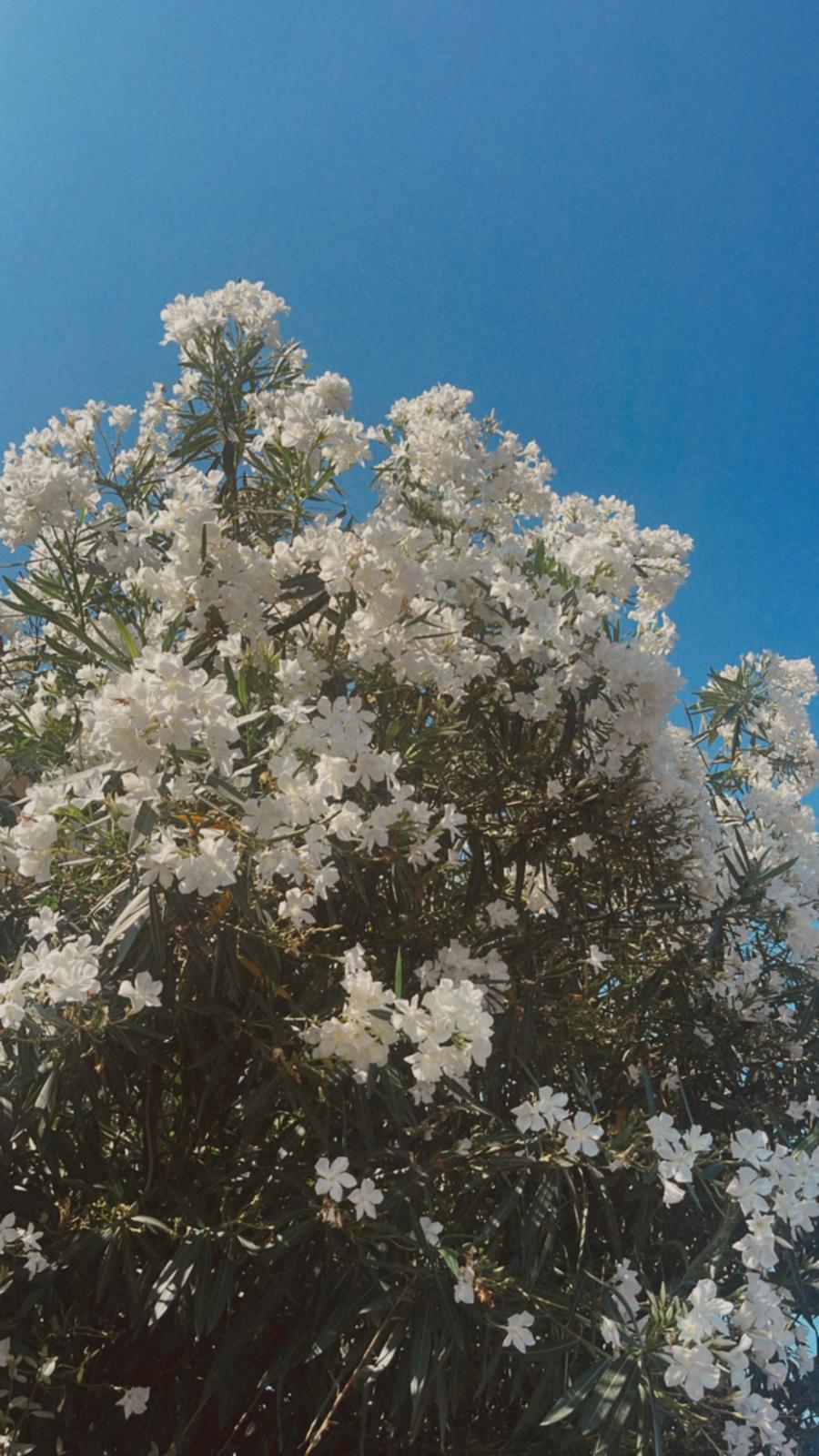
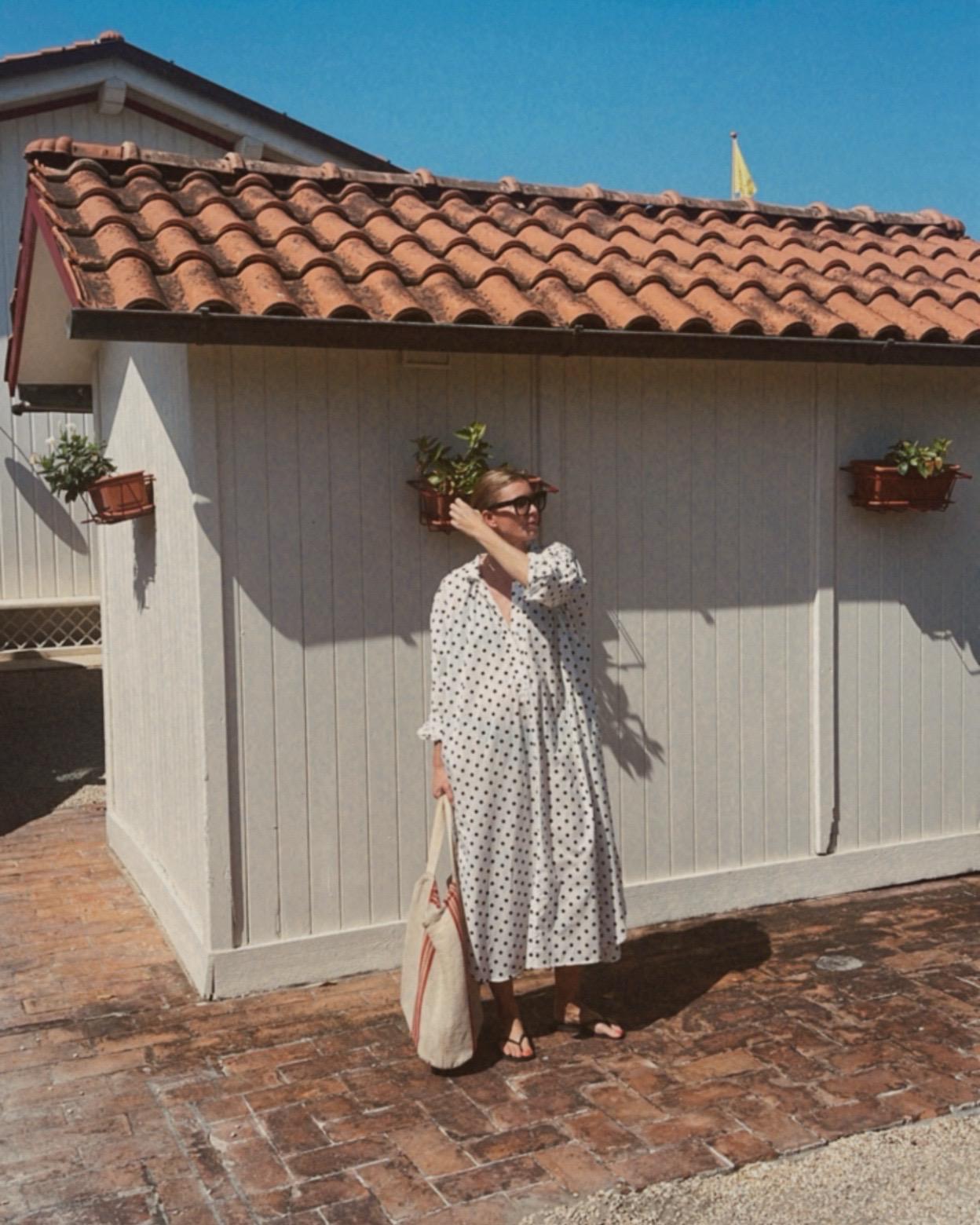
Forte dei Marmi sits on the Versilia coast in northern Tuscany, about 35 minutes from Pisa airport and just over an hour from Florence. What makes it different from other Italian beach towns is the combination: a genuinely elegant, walkable centre with old pine trees and bougainvillea spilling over garden walls, a coastline of private beach clubs that feels more like a members' club than a public beach, and the Apuan Alps rising up behind it all, their marble peaks looking almost snow-capped even in August. It's polished without being stiff, and it has managed to hold onto its old-money, understated glamour even as it's modernised.
It also happens to be one of the most comfortable places I know to holiday after 40. Nobody is trying too hard here. The dress code leans elegant but relaxed, dinner starts late, nobody blinks if you want a second glass of wine or an early night instead, and the pace of the whole town is built around long lunches and longer walks rather than ticking off sights. It suits this stage of life.
What's New in Forte dei Marmi Right Now
Even a town this steeped in tradition doesn't stand still, and this year there's genuinely exciting new energy on the beach.
Marias, the new project from two-Michelin-starred chef Jason Atherton, has just opened poolside with direct beach access. He's spent years holidaying in Forte before finally bringing a restaurant here, and the concept is built to move with the day, long lunches sliding into aperitivo, aperitivo sliding into dinner. A second, more intimate fine-dining space from Atherton is set to follow later this season.
Da Giacomo at Marechiaro, from the Milanese hospitality group Giacomo Milano, reopened this year after a full renovation by architect Fabrizio Casiraghi. Think understated, old-school glamour rather than anything flashy, which is very on-brand for Forte.
Remo Beach Club, part of the Grand Hotel Imperiale group, is the newest arrival among the beach clubs, with a kitchen that's already getting attention alongside the sea view.
And Twiga, always the most talked-about bagno in town, has partnered with Dolce & Gabbana this season, dressing the entire beach club in their tropical banana-leaf print. Whether or not that's your aesthetic, it's worth an aperitivo just to see it.
Life on the Beach: How the Bagni Work
If you've never been to this stretch of coast, there's one thing you need to understand before you pack your beach bag.
IN FORTE DEI MARMI, THE ENTIRE BEACH IS DIVIDED INTO PRIVATE BAGNI WHERE YOU CANNOT JUST LAY DOWN YOUR TOWEL. SOME HOTELS HAVE THEIR OWN BAGNO, BUT EVEN THEN, BOOKING IN ADVANCE IS ESSENTIAL, ESPECIALLY IN JULY AND AUGUST.
A bagno gets you an umbrella, sunbeds, deck chairs, showers, and usually a small restaurant serving light lunches, salads, pasta, the odd glass of chilled white. Ours comes with our hotel, and it's where we spend most of our days: dog in the shade, sea in front of us, and lunch that somehow always tastes better with sand still on your feet.
A few names worth knowing if you're choosing your own bagno this year:
Alpemare — named Best Beach Club in Italy for 2025, and it shows. Effortlessly elegant, excellent kitchen.
Twiga Beach Club — the glamorous, see-and-be-seen option, especially with this year's Dolce & Gabbana collaboration.
Bagno Principe — refined, clean-lined design right in the heart of town, with a kitchen that punches above its weight.
Bagno Felice II — polished and central on Viale Italico, a solid all-rounder for elegance and service.
Bagno Santa Maria — for something more nostalgic: traditional green wooden cabins straight out of 1960s Forte, quieter and more private.
Maitó Beach Club — the beach-side sibling of the legendary Maitó restaurant, a Versilia institution since the sixties.
Bagno Alle Boe — the municipal beach, recently named the best public beach in Italy, and by far the most affordable way to experience the sea here.
Dogs are welcome on the beach at most bagni (always check when booking), which for us is non-negotiable. Socks has his own patch of shade reserved every summer.
Where to Stay
Luxurious options
Hotel Principe Forte dei Marmi— Five stars, a private beach, spa, and a rooftop bar with panoramic views over the town and the mountains behind it.
Augustus Hotel & Resort— An old-school Forte institution: private beach, lush gardens, and rooms and suites, some with their own pool.
Hotel Byron— A five-star seafront villa with 44 rooms and suites, most with sea or garden views, an outdoor pool, and a kitchen known for its fresh fish.
Grand Hotel Imperiale— 300 metres from the sea, marble bathrooms, private balconies, and now the home of Remo Beach Club.
Villa Roma Imperiale — Tucked into the quietest, most exclusive corner of town, 200 metres from the sea with gardens around the pool, still an easy walk into the centre.
Mid-range options
Hotel President(where we've stayed the past five years)— Comfortable, stylish, close to the beach, and the kind of place where the staff remember your name by day two. Still our pick, year after year.
Hotel Viscardo— Cosy, well located near the beach and centre, and it includes free bicycle rental, which in Forte is worth more than you'd think.
Hotel Goya— Modern, a short walk from the beach and centre, good value for what you get.
Hotel Bijou — A newer boutique option near the beach with electric bikes and EV charging included, appealing if you want a slightly more modern, design-forward stay.
Most hotels, at every price point, have their own fleet of bikes you can reserve in advance. If yours doesn't, there's a rental shop practically on every corner (more on that below).
Where to Eat
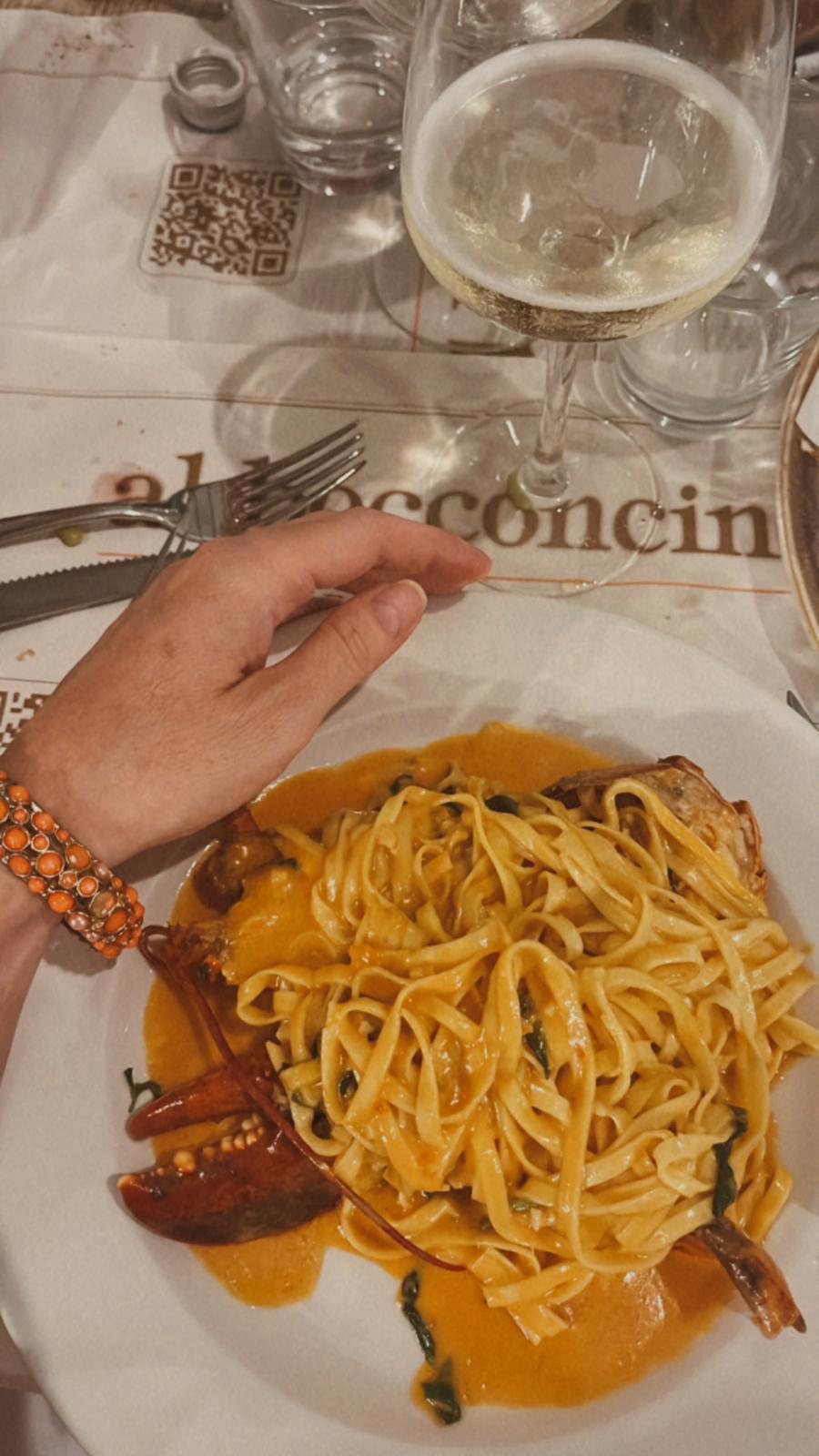
Where we're careful with carbs all year, in Forte we let it go entirely. Delicious pasta, proper pizza, and a nightly glass of sparkling house wine that I'd never touch at home. It's a holiday, and I've made peace with the extra pounds that come with the territory.
Our absolute favourite, every year without exception, isBocconcino, tucked in the heart of the centre near the old fort. It's become our ritual: bike into town most evenings, choose our table, and settle in.
Also worth booking:
Ristorante Lorenzo— refined, seafood-forward, one of Forte's most established fine-dining names.
La Barca— relaxed, reliably good, a favourite with locals.
Marias — new this year, Jason Atherton's poolside-to-evening concept, worth trying while it's fresh.
Da Giacomo at Marechiaro — the newly renovated beach club and restaurant, elegant without trying too hard.
Markets and Where to Shop
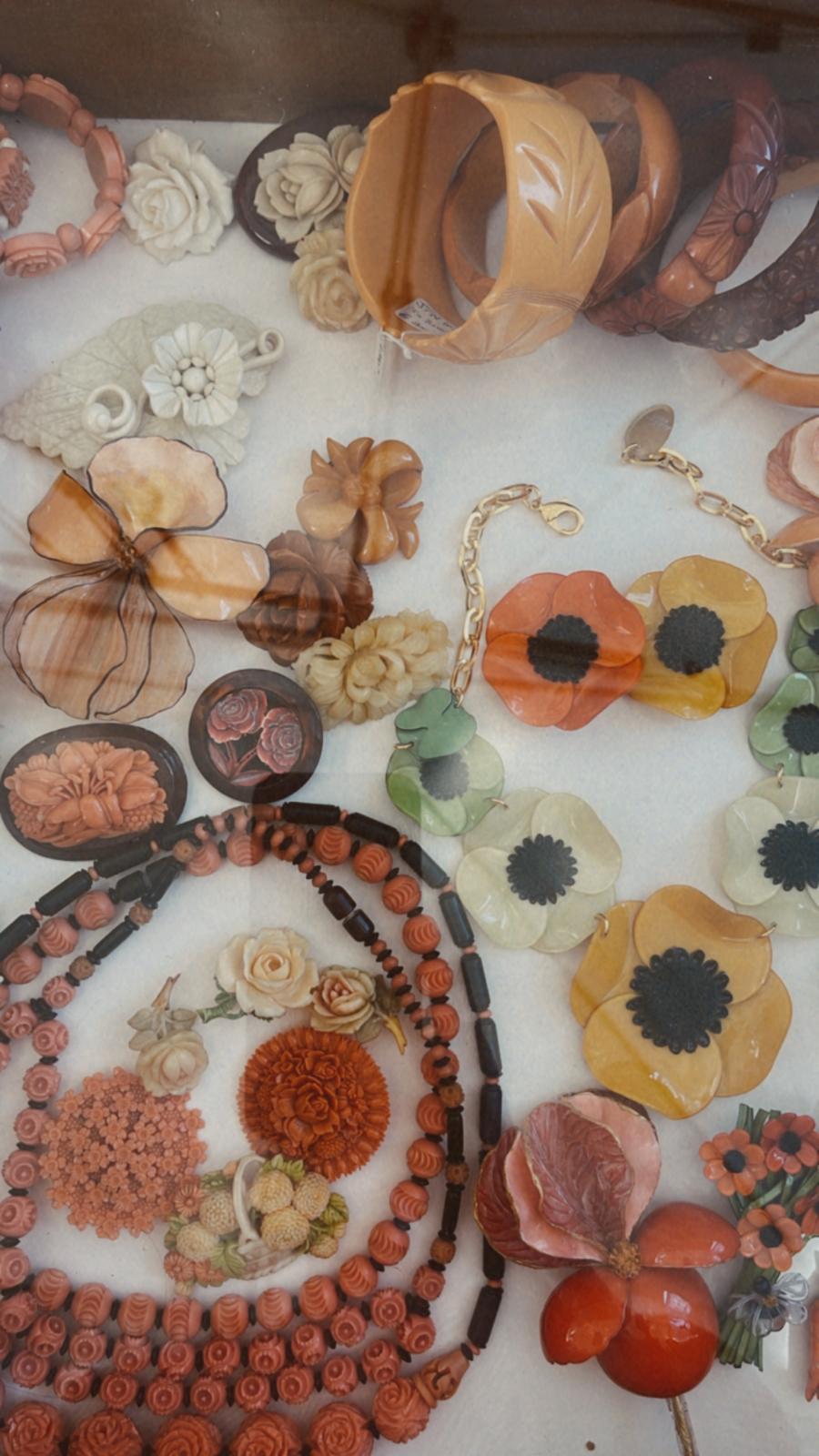
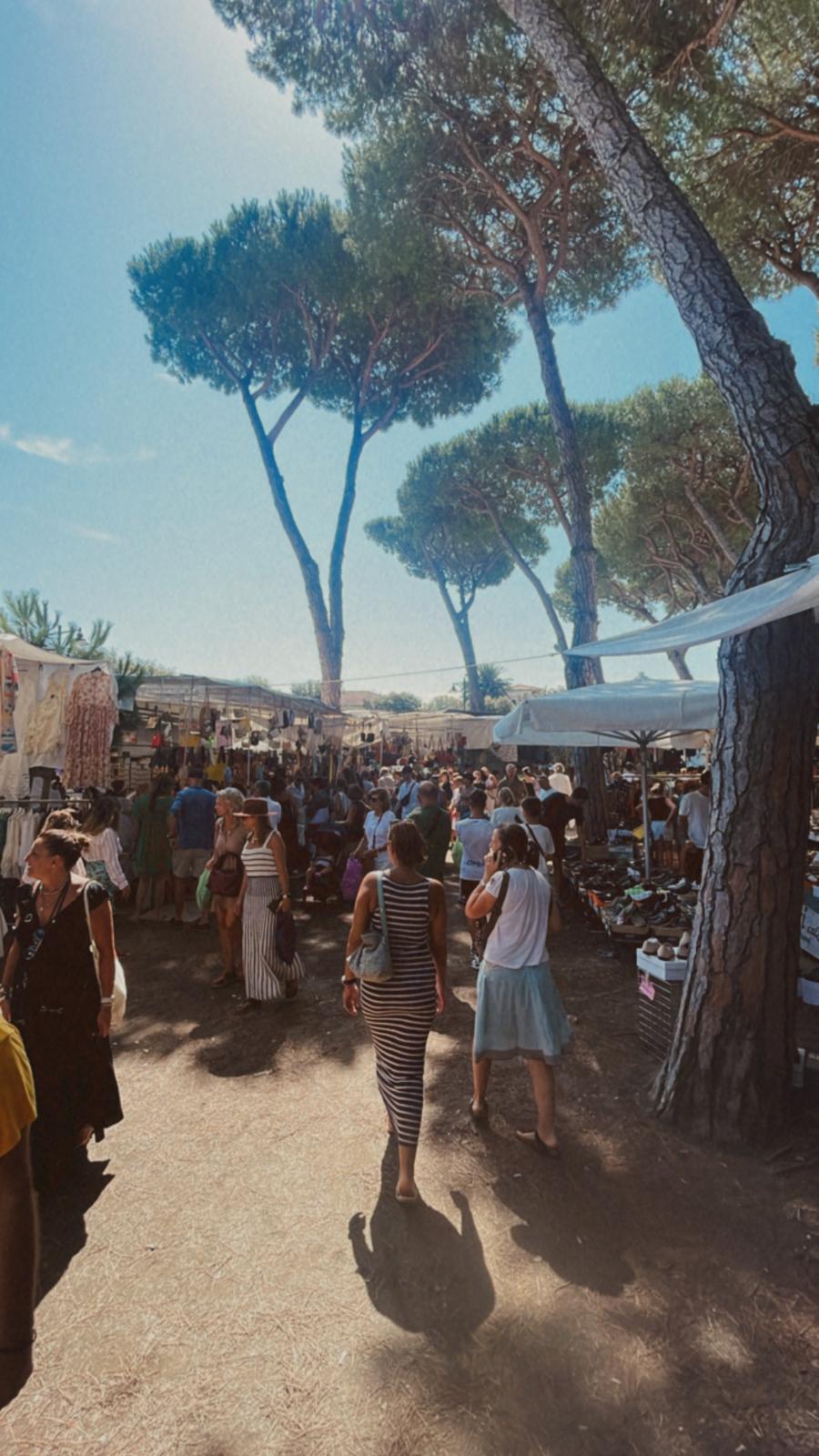
Every Wednesday, from 8:00 in the morning until around 1:30 in the afternoon, Piazza Marconi and the pine grove around it fill up with Forte's famous weekly market. It's not a bargain-hunting market, don't expect flea-market prices, but it is genuinely one of the best in Tuscany for well-made things: leather goods, cashmere, home linens, ceramics, jewellery, resortwear, and beautiful beach cover-ups in summer. I go for the atmosphere as much as the shopping.
On Saturdays, there's a smaller mini-market in the same spot, and once a month, on the third Saturday, an antiques market takes over the centre. This is the one I try never to miss. Over the years I've picked up several beautiful vintage lamps for our home here, and I always leave with something I didn't know I needed.
For proper shopping, the streets to know are Via Mazzini, Via Roma and Via Spinetti, where you'll find Prada, Gucci, Dolce & Gabbana, Loro Piana, Loewe, Miu Miu, Louis Vuitton, Armani, Missoni and Moncler, all within a few blocks of each other. Half of it is unaffordable, and I say that with love, but window shopping during the evening passeggiata is a proper Forte pastime in itself. One local quirk worth knowing: most shops close between 13:00 and 16:00 for the afternoon lull, then reopen until 23:00. Plan around the siesta, not against it.
Getting Around: Where to Rent a Bike
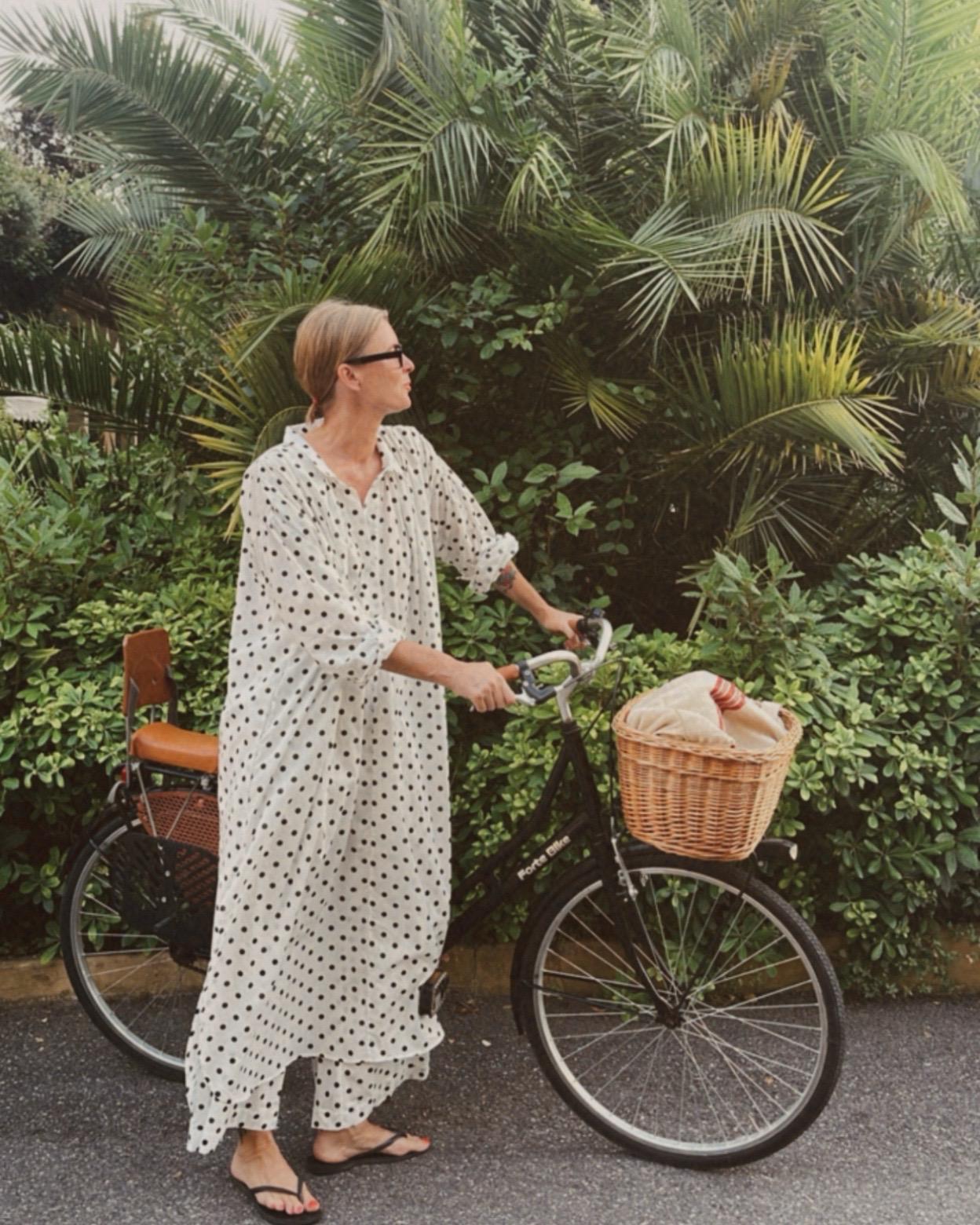
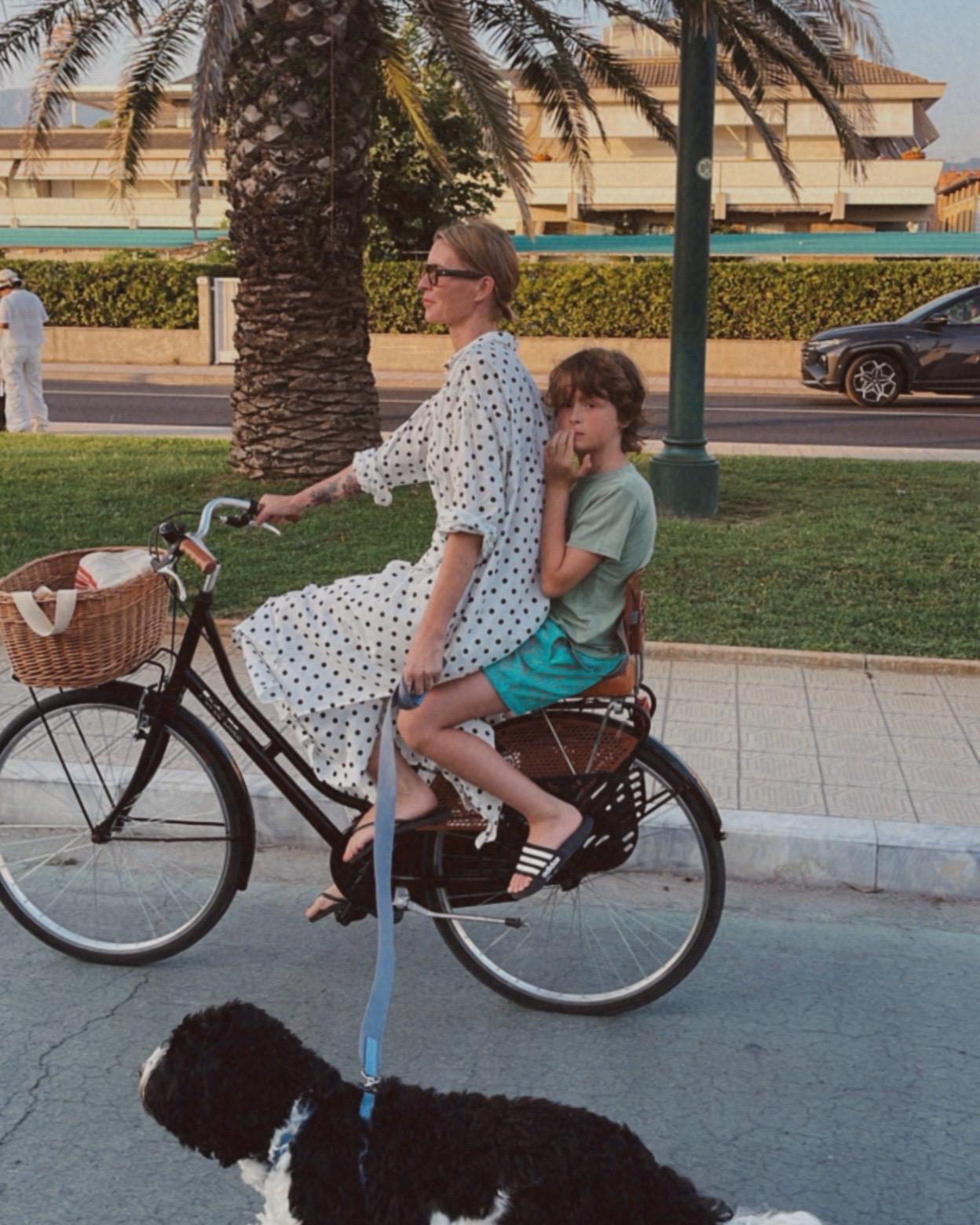
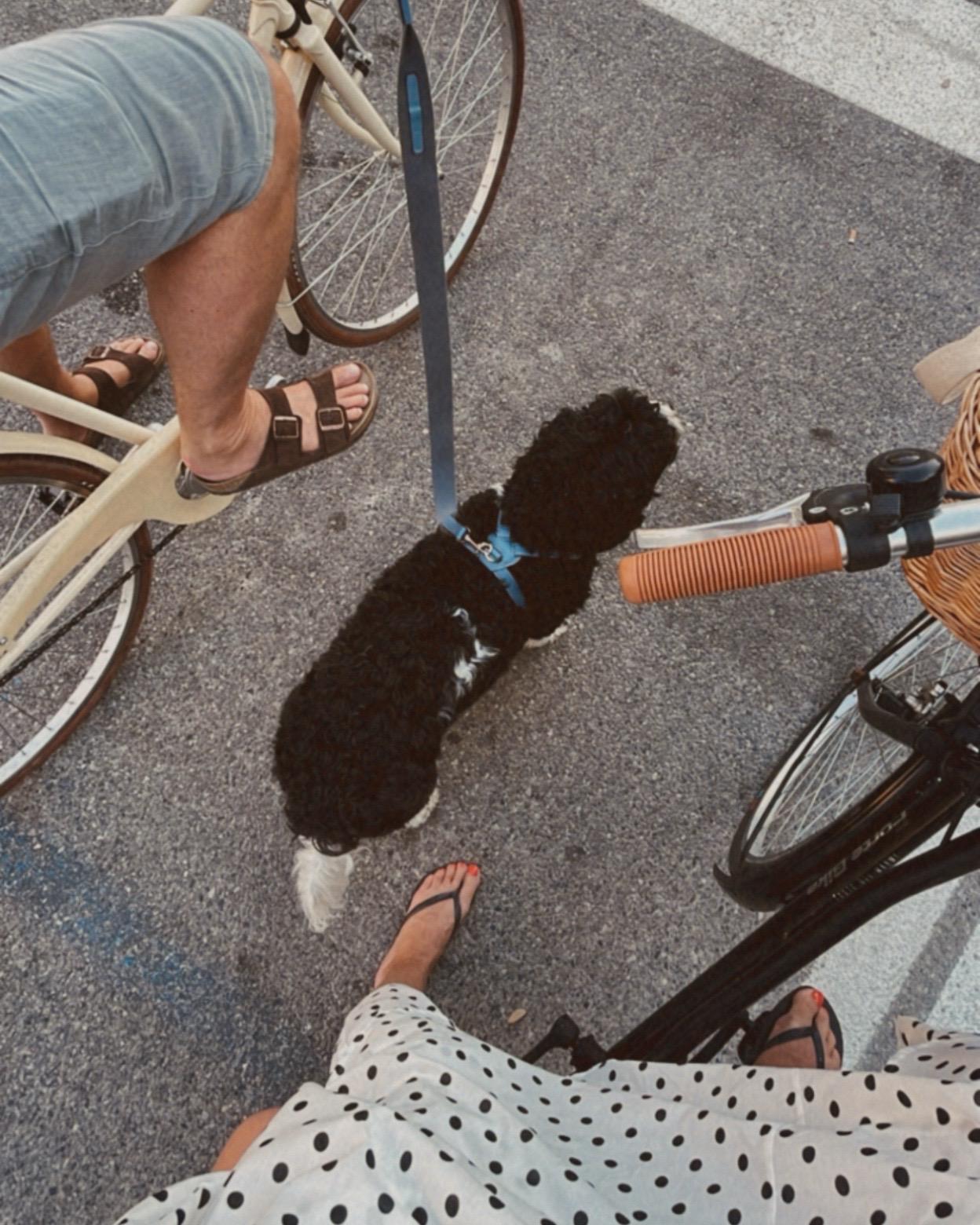
As "true Dutch people," cycling is second nature to us, though at home I barely bike anymore, too much wind, rain and cold. Here, it's a joy again. Most hotels have their own bikes you can reserve ahead of time, and if yours doesn't, Forte is full of rental shops.
This year I rented a bike with a child seat from a shop just around the corner from our hotel. A few reliable options:
Cicli Maggi — Via Padre Ignazio da Carrara, 38. City bike from around €10/day, electric bike from around €25/day.
Forte Bike — Via Duca d'Aosta, 31. City bike from around €12/day, electric bike from around €30/day.
Noleggio Cicli Mazzoni — Via Giuseppe Mazzini, 107. City bikes from €10–15/day, electric bikes from €25–35/day.
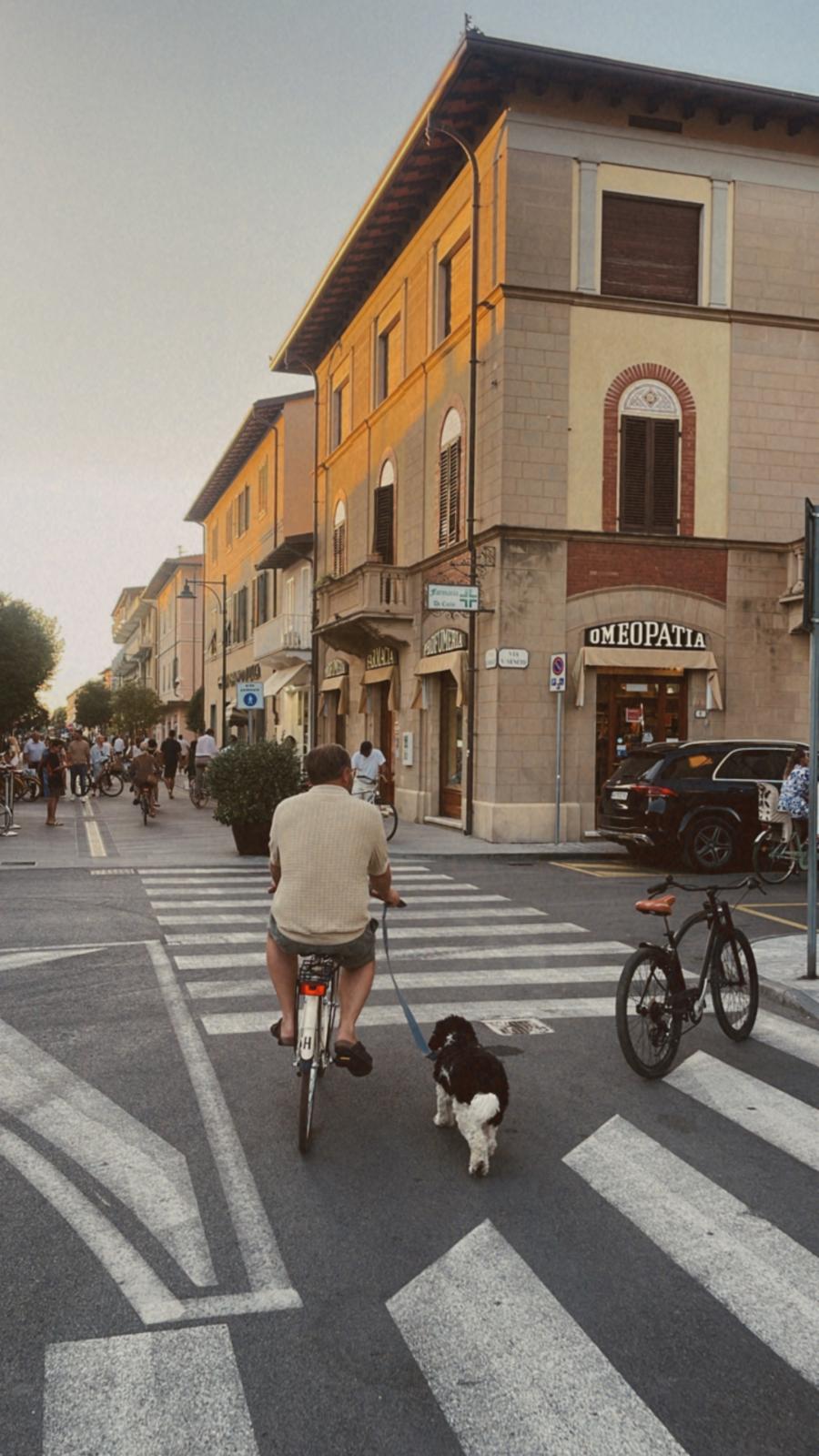
Most shops also rent children's bikes, tandems and mountain bikes, so ask when you book. Every evening we cycle the five minutes from our hotel into the centre, past the mountains catching the last light and the bougainvillea in full bloom, and pick our restaurant for the night. It's one of my favourite parts of the day, quiet, unhurried, and the kind of small ritual that makes a holiday feel like a holiday.
Things to See and Do Beyond the Beach
Forte rewards slowness, but it's not just a beach town. A few things worth building into your days:
The Pontile — Forte's iconic 1876 pier once used to load marble onto ships is now the place for an evening stroll. Walk to the end at sunset, then turn around for the view of the Apuan Alps glowing pink behind the town.
Il Fortino — the 18th-century fort the town is named after, right in the centre, now a small cultural space and the historic heart of Forte.
Pietrasanta — about ten minutes away by car, this is Tuscany's "artists' town," with the highest concentration of art galleries per square metre in Italy. Piazza Duomo alone is worth the trip: contemporary sculpture displayed permanently in front of the cathedral, sometimes by Botero or Mitoraj. Add the free Museo dei Bozzetti and a coffee in the square, and you have a perfect, unhurried half-day out. Galleries are liveliest Thursday through Sunday.
Carrara marble quarries — an hour inland, these are the quarries Michelangelo himself once climbed to select stone for the David. Half-day 4x4 tours take you up into the mountains among the active quarries, often stopping in the tiny village of Colonnata for its famous lardo. A striking contrast to a week of beach days, and a proper reminder of where all that "marmi" in Forte dei Marmi actually comes from.
Day Trips Into Tuscany
For when you do want a change of scenery, here's how far some of my favourite Tuscan towns are from Forte:
Lucca — approximately 36 km (22 miles)
Pisa — approximately 45 km (28 miles)
Florence (Firenze) — approximately 106 km (66 miles)
Siena — approximately 147 km (91 miles)
San Gimignano — approximately 117 km (73 miles)
Volterra — approximately 98 km (61 miles)
Montepulciano — approximately 184 km (114 miles)
Cortona — approximately 191 km (119 miles)
A word of experience: walking around Siena in nearly 40-degree heat is fun for absolutely no one, least of all a teenager and a dog. If you're travelling with either, save the further-flung towns for a cooler morning, and treat the beach days as sacred.
The Tale of Forte dei Marmi
Once upon a time, along the beautiful coast of Tuscany, there lay a small, unassuming village known to the Romans for its strategic location. Nestled between the sea and the majestic Apuan Alps, this was a quiet place where marble was quarried and farmers tended their fields.
Centuries passed, and the land remained tranquil until the 18th century, when Grand Duke Leopold I decided to build a fort to protect the coast from pirate attacks. This fort, known as the Fortino, stood proudly by the sea, watching over the villagers and the precious marble shipped from its port. The village grew up around this fort, and so Forte dei Marmi, "Fort of the Marbles," was born.
As the years went by, the fame of Forte dei Marmi's marble spread far and wide, prized for its beauty and shipped to distant lands, bringing prosperity to the town. Then, in the 19th century, something changed. Wealthy families from Florence and beyond discovered the serene beaches and stunning views, and began building elegant vacation homes along the coast, turning the sleepy village into a fashionable seaside resort.
By the early 20th century, Forte dei Marmi had become a playground for the rich and famous. Luxury villas, grand hotels and charming boutiques sprang up, catering to visitors seeking the perfect blend of relaxation and sophistication. Its reputation as a haven for the elite only grew, drawing celebrities, artists and intellectuals who strolled its sandy shores and dined in its finest restaurants.
After the turmoil of the Second World War, Forte dei Marmi re-emerged as a symbol of resilience and quiet luxury, a refuge where the cares of the world seemed to melt away under the Tuscan sun.
Today, the old fort still watches over a town that has grown into a bustling resort full of life. Its beaches are lined with elegant bagni, its streets with high-end boutiques and lively markets, and despite all the modern gloss, the spirit of the old marble village still whispers through it, to anyone who takes the time to listen.
Forte Dei Marmi, Every Year, All Over Again
Forte dei Marmi remains a magical place for us, somewhere we return to again and again for that particular blend of beach, culture and Italian hospitality that I haven't quite found anywhere else. Six years in, and I'm already thinking about next summer.
FAQ
Late spring through summer, May to September. The weather is warm and reliable for beach days, and the town's cultural calendar and markets are in full swing. July and August are peak season, lively but busy; June and September give you the same warmth with a quieter beach and easier restaurant bookings.
By air:The nearest airports are Pisa (Galileo Galilei) and Florence (Amerigo Vespucci). From either, it's a straightforward train or car journey.
By train:Forte dei Marmi has its own station (Forte dei Marmi–Seravezza–Querceta), with regular connections to Pisa, Florence and beyond.
By car:The town sits close to the A12 motorway, making it easy to reach from most of Italy.
The beaches and their bagni, the Fortino, the weekly Wednesday market, and the Pontile pier for a sunset walk. Beyond the town itself, Pietrasanta and the Carrara marble quarries are the two excursions I'd prioritise.
Cicli Maggi, Forte Bike and Noleggio Cicli Mazzoni are all reliable, with city bikes from around €10 a day and electric bikes from around €25–35 a day. Most hotels also have their own bikes available to reserve in advance, ask when you book.
Yes, city bikes, electric bikes, children's bikes and mountain bikes are all generally available, though it's worth booking ahead in July and August when the good ones go fast.
Yes, always. The entire beach is divided into private clubs, and in peak season the good ones fill up weeks ahead. If your hotel has its own bagno or a partnership with one nearby, book it the moment you book your room.