



The Things I No Longer Apologise for After 50
Lorem ipsum dolor sit amet, consectetur adipiscing elit. Integer nec odio. Praesent libero. Sed cursus ante dapibus diam. Sed nisi. Nulla quis sem at nibh elementum imperdiet.
I still say sorry when I bump into a chair. I apologise to the person who has walked into me. I have even apologised to a dog for existing too near its tail.
Lorem ipsum dolor sit amet, consectetur adipiscing elit. Integer nec odio. Praesent libero. Sed cursus ante dapibus diam. Sed nisi. Nulla quis sem at nibh elementum imperdiet.
Category
LIFESTYLE
Date
25/08/2026
Length
6 min read
Share
I still say sorry when I bump into a chair. I apologise to the person who has walked into me. I have even apologised to a dog for existing too near its tail.
So let me be clear: I am not claiming to have removed the word from my vocabulary. “Sorry” has its place. It gets us through crowded cafés, awkward lifts and the moment you realise you have been standing directly in front of someone’s view of the olives for five full minutes.
But after 50, I have become much more interested in the apologies we offer when no one has been harmed, no mistake has been made and, frankly, no apology is required. I think many women over 50 will recognise them: the little reflexes that arrive before an opinion, a boundary, a preference or a perfectly ordinary human need.
For years, I thought being kind and being endlessly accommodating were more or less the same thing. I thought a good woman was the one who made things easy, remembered the birthday, sent the text, stayed late, looked pleased about the plan and did not ask anyone to make space for her in return.
Now I know better. Or at least, I am trying to. These are the things I no longer apologise for after 50.
Some are substantial. Some are gloriously insignificant. All of them have made my life feel a little more like mine.
I no longer go for lunch because I “have to”
I love a proper lunch. A table in the sun, a glass of something cold, an hour that somehow becomes three, the little pleasure of deciding whether pudding is a good idea. Of course it is.
What I do not love is a duty lunch—meeting someone because I feel I should, even though the relationship has become an unpaid appointment with a sandwich. You know the kind: it has been in the diary for weeks; you have nothing especially to say; both of you will leave politely exhausted; and somehow you will still say, “We really must do this again soon.”
I am not saying friendships must always be effortless. The meaningful ones survive seasons of busyness, mismatched energy and the occasional terrible lunch. But I no longer apologise for choosing the people who make me feel lighter, not more depleted. Some friendships deepen. Some soften. Some become a very nice Christmas-card feeling. That is allowed.
And on the occasions I do say yes to lunch, I now try to say yes because I am genuinely happy to see the person—not because I am afraid of being thought rude.
I no longer wear outfits that make me feel unlike myself
This one has taken me far too long.
There are outfits that are beautiful in theory and deeply irritating in practice. They look wonderful when you are standing very still near a window, but become a different story the moment you sit down, eat pasta, breathe deeply or attempt to lift your arms above shoulder height.
I have owned all of them: the dress that requires a particular posture, the trousers that are allegedly my size but have clearly formed another opinion, the jacket that turns every conversation into a small physical negotiation, and the shoes that look perfect for approximately seven minutes.
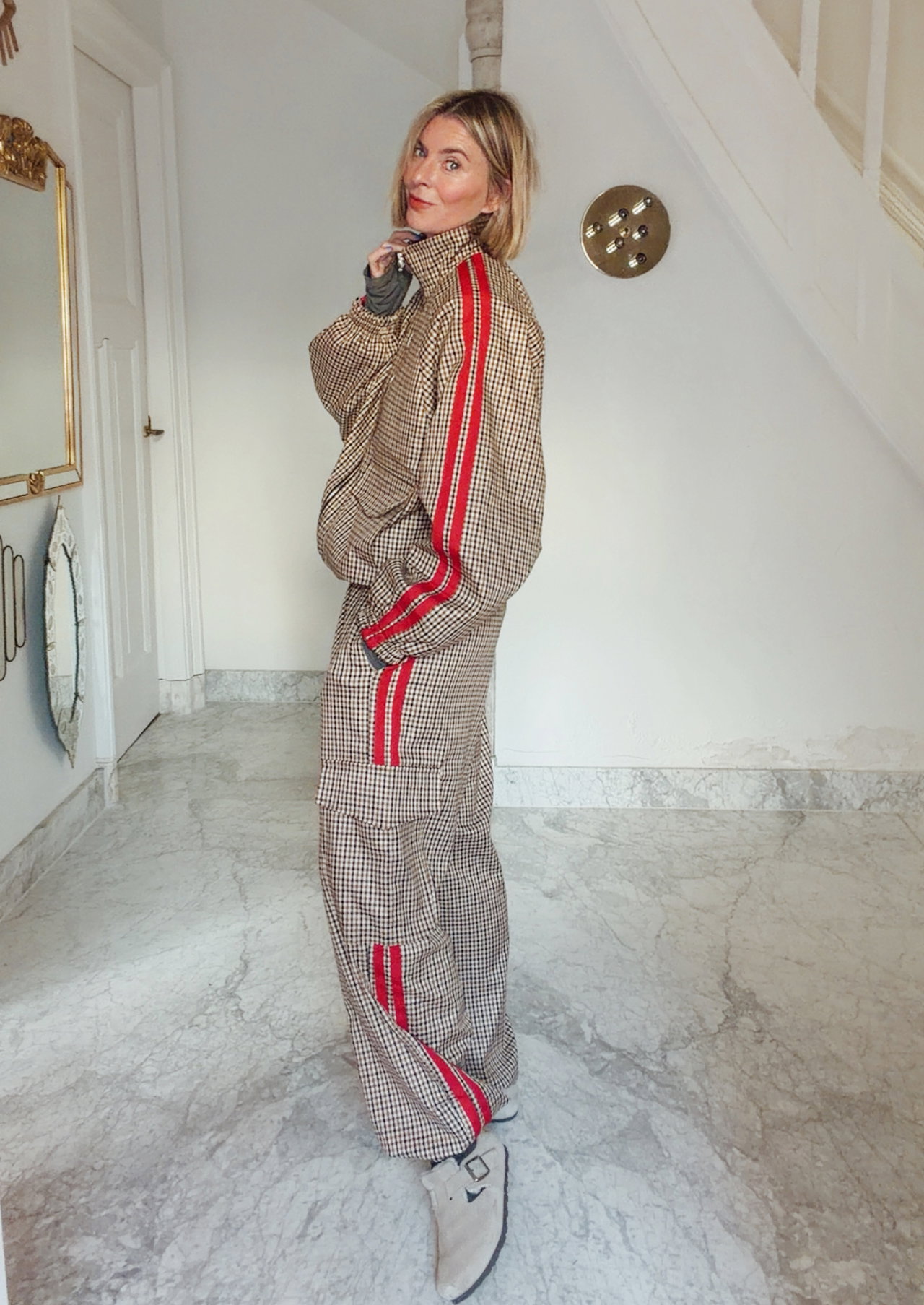
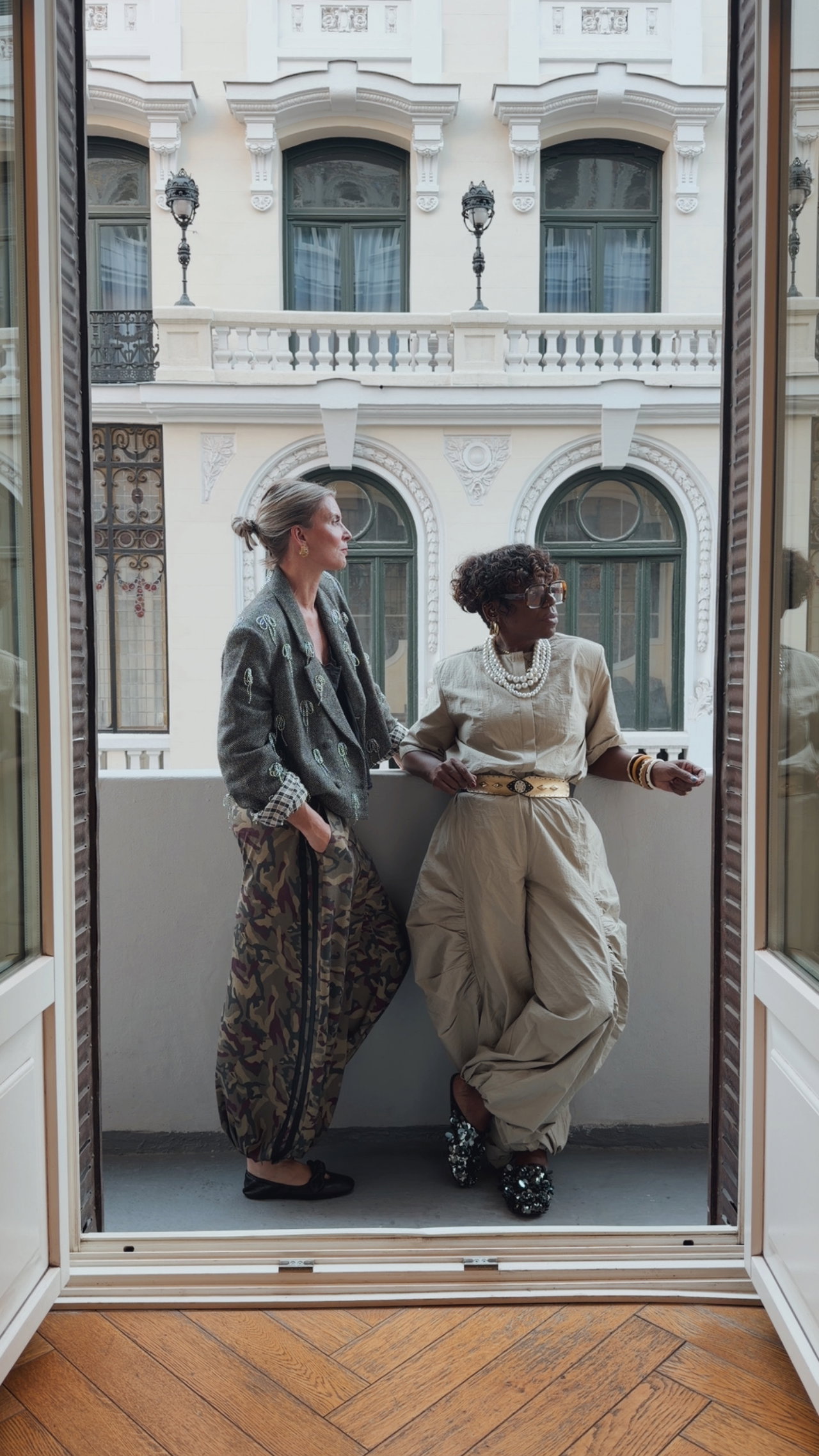
I no longer apologise for preferring clothes that feel good on my actual body, in my actual life. If something is too tight, too stiff or simply too “not me,” it does not get to come along. I am not interested in spending an evening thinking about a waistband. I have better things to think about. Style after 50 is not about becoming invisible, sensible or “age appropriate.” It is about becoming self appropriate. I want clothes that help me feel more like myself, not clothes that ask me to perform a version of femininity I have already outgrown.
And the shoes that hurt? They can be beautiful from the comfort of their box.
I no longer pretend I am the woman who packs light
I have tried to be that woman. I have made lists. I have watched the packing reels. I have admired the woman who travels for a week with one linen shirt, a silk scarf and the serene conviction that every single item will work with every other item.
I am not her.
By day two, I still want options. I want shoes. I want a jacket for a mood I have not had yet. I want an emergency dinner outfit, a beach cover-up, one thing that makes no sense but feels fabulous, and, ideally, a bag that can hold the extra things I will undoubtedly buy.
Would it be useful to pack less? Probably. Will I one day achieve this? Perhaps. But I have stopped apologising for the fact that travel, for me, is part practical planning and part small portable wardrobe fantasy.
There are worse things to know about yourself.
I no longer let one Instagram comment spoil a perfectly good day
This is a work in progress. A serious one.
I can receive dozens of kind messages, lovely reactions and thoughtful comments—and still allow one random, unnecessary remark to rent an apartment in my brain. Suddenly I am replaying it while making coffee, in the shower, halfway through a good dinner. The person has a username involving three numbers, a cartoon profile picture and absolutely no claim on my peace, but there I am, donating them mental square footage.
I am getting better at noticing the pattern. A comment is not a verdict. It is not a personality assessment. It is not an invitation to doubt myself, my face, my body, my work or my right to share something online.
I can learn from thoughtful feedback. I can ignore cruelty disguised as honesty. And I can remind myself that the people who enjoy making strangers feel small online are not generally living lives I want to take advice from.
That is not arrogance. It is basic emotional housekeeping.
I no longer answer every message the moment I see it
Seeing a message is not the same as having the emotional bandwidth to reply properly.
This seems obvious, but I have spent years acting as though a little blue tick were a binding contract. If someone messages, I must respond. If the phone rings, I must answer. If there is a question, I must find the answer, preferably before the kettle has boiled.
I am trying to unlearn that urgency. The phone is not a fire alarm. Most messages can wait. Most people can wait. And the people who love me do not need me to be permanently available in order to know that I care.
I can be professional without treating every email as a tiny emergency. I can be a good friend without responding between two mouthfuls of lunch. I can call someone back when I have the energy to actually listen.
My attention is valuable. I am trying to spend it as if I believe that.
I no longer explain “no” like I am defending a court case
“Sorry, I can’t…” used to be followed by a small novel. A diary conflict. A childcare detail. A mildly convincing cough. Three paragraphs of context and a closing statement from my solicitor.
Now, when something does not work for me, I am trying something much more radical: a clear answer.
No, I cannot make it. No, I do not have the capacity this week. No, that does not feel right for me. No—and this one is still advanced level—because I do not want to.
A boundary is not an insult. It is information. It tells people where I end and where their expectations begin.
Of course, I still soften a no when kindness calls for it. I am not suggesting we all become abrupt and mysterious. But I no longer believe I have to offer an elaborate alibi in order for a simple preference to count.
I no longer apologise for rest, quiet or the occasional empty day
Rest is not a reward for nearly collapsing. It is not something to be earned by working until I am joyless, irritable and staring at the washing machine as if it has personally betrayed me.After 50, I have become less impressed by busyness and more impressed by people who know what restores them. Sometimes that is dinner with friends. Sometimes it is a long walk, an early night, a page-turner, an hour in a hotel pool or an afternoon at home with no plan at all.
I love people. I also love being quiet. Both can be true.
I do not need to turn every spare hour into a productivity project, a social event or a future anecdote. Sometimes I need an afternoon that does not become content, a task or a story. It can simply be mine.
I no longer apologise for my face, my body or getting older
I do not have to pretend that ageing is universally delightful. Some days it is confusing. Some days it is expensive. Some days I catch my reflection in unforgiving changing-room lighting and briefly consider sending a formal complaint to the entire retail industry.
But I no longer apologise for looking my age.
My face is not an administrative error. My body is not a problem to solve before I am allowed to be seen. I can enjoy skincare, lipstick, good light, strength training and clothes that make me feel fantastic without treating every line or change as a moral failure.
There is a particular freedom in taking care of yourself without waging war on yourself. I wish more of us had been taught that earlier, but I am very happy to learn it now.
I am also no longer keeping clothes for an old body, an old life or a future fantasy version of myself. I want a wardrobe for the woman who is here now—who eats lunch, sits down, moves, travels, changes her mind and does not require a warning label.
I no longer apologise for liking beautiful things
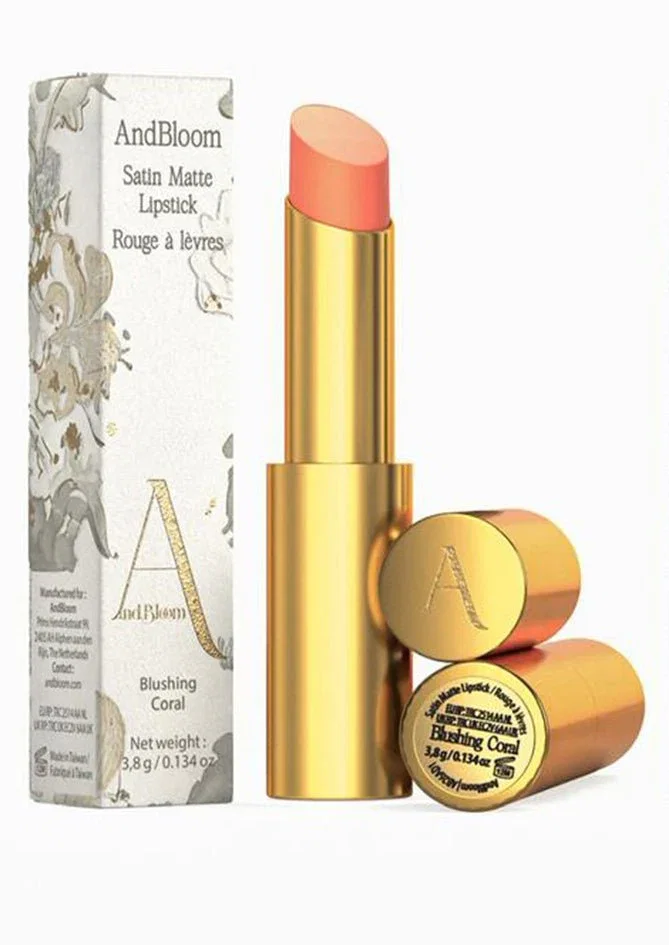
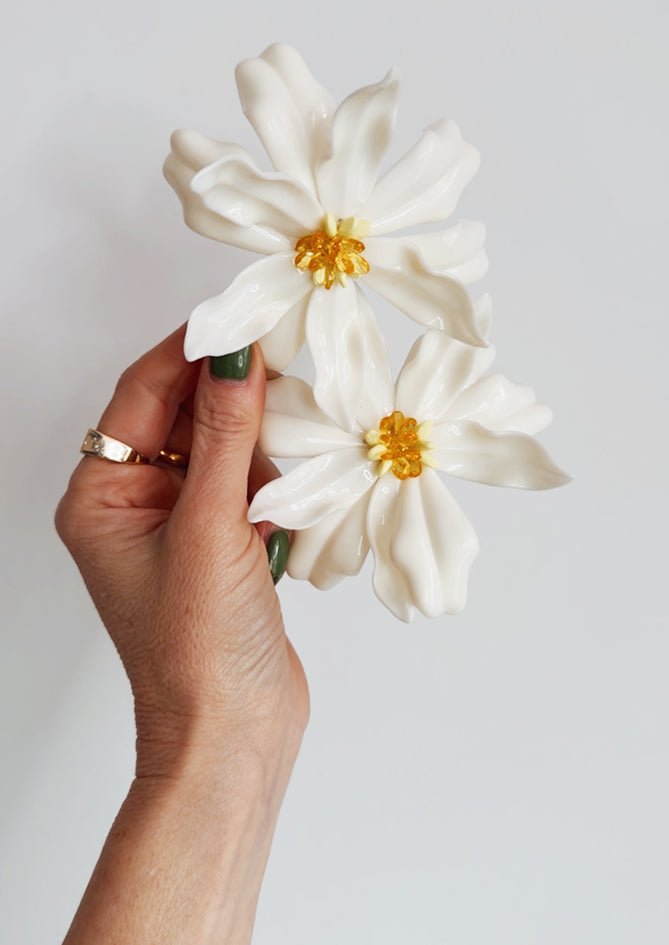
I like a good lipstick. I like jewellery. I like a beautifully wrapped package, a hotel with a clever detail, a great coat, crisp sheets, flowers on a table and food that tastes like someone cared.
For a long time, women have been encouraged to dismiss these things as frivolous, especially as we get older. As though caring about beauty means you have failed to care about anything serious.
I do not believe that. Beauty can be fun. It can be meaningful. It can be a way of noticing the world more closely. It can be the small thing that makes a Tuesday feel less like a Tuesday.
Caring is not vanity. Pleasure is not a character flaw. I am still allowed to be delighted by a perfect jacket, an excellent dinner or a hotel breakfast so good that it rearranges the morning.
I no longer apologise for a home that looks lived in
I used to start apologising for my home before anyone had even crossed the threshold.
“Sorry about the mess.” “Sorry, I have not had time to tidy.” “Sorry, the kitchen is…” And then I would gesture broadly at a room that looked, in truth, entirely normal. There might be laundry. There might be a mug in the sink. There might be evidence that actual people live there.
I have also been known to turn a coffee with a friend into an event requiring baking, flowers, a fully cleared kitchen and a level of preparation usually reserved for a small wedding.
No more.
Come in. The kettle is on. There may be laundry.
Everyone will survive. A home does not need to be a showroom to be welcoming. In fact, I increasingly prefer homes that feel warm, real and slightly in motion. The kind where you can put your bag down without worrying whether it will disturb the styling.
I no longer volunteer to become everyone’s unpaid project manager
There is a particular kind of competence that gets women into trouble. You remember the gift, organise the birthday, book the table, bring the snacks, send the follow-up text and somehow make it look as though the whole thing happened organically.
Competence is useful. I like being capable. But becoming the unpaid project manager of everyone else’s life is optional.
I am learning to notice when I am picking up a task because it truly needs doing and when I am picking it up because I cannot bear the possibility that someone else might do it differently—or not at all.
Sometimes the group holiday can survive without my spreadsheet. Sometimes the birthday does not need three reminder messages. Sometimes another adult can call the restaurant. This is still a growth area. Please do not ask my family for a reference.
I no longer apologise for changing my mind, wanting more or wanting less
I used to think that changing my mind made me inconsistent. Now I think it means I have paid attention.
Perhaps I no longer want the thing I wanted at 35. Perhaps a friendship, a job, a style, a social habit or a version of success no longer fits. That does not mean I failed at it. It means I am allowed to evolve.
I am allowed to want more: more creativity, more beauty, more financial independence, more adventure, more work that excites me, more room for the parts of myself that did not fit neatly into earlier chapters.
And I am allowed to want less: less noise, less obligation, less drama disguised as connection, less pressure to turn every hobby into a side hustle and every quiet thought into content.
This is one of the gifts of growing older. You become better at noticing the difference between what looks impressive and what actually makes you feel well.
I no longer apologise for still being a work in progress
There is an odd assumption that by 50, we should have reached a perfectly polished final version of ourselves. A woman with flawless boundaries, perfect posture, an immaculate kitchen and a five-year plan written in elegant handwriting.
I do not. I am still learning.
I am still sometimes too sensitive, too optimistic, too tired, too excited and too likely to buy something because it is “a bit special.” I am still figuring out what I want next. I am still occasionally affected by an Instagram comment, still tempted to overexplain a no, still the owner of a suitcase that suggests I am emigrating rather than going away for four nights.
But I do not apologise for that either.
Confidence after 50 is not about becoming louder, tougher or permanently unbothered. It is quieter than that. It is knowing that I can be kind without being endlessly accommodating. It is choosing rest before resentment. It is wearing the colour, taking the trip, saying no, changing my mind and allowing myself to be seen without adding an apology to the sentence.
That is the real shift: not becoming a different woman, but finally giving the existing one a little more room to breathe.
So yes, I will probably continue apologising to furniture. Old habits, good manners and all that.But for taking up space, having needs, getting older, wearing what I love, leaving early, packing too much and becoming more myself?
No. I am finished saying sorry for that.